Resources

The Founder’s Edge

Real case studies, deal breakdowns, and operational tools built from direct experience founding, governing, and exiting venture-backed companies — including one of the largest acquisitions on record. This is the kind of structural analysis that doesn’t exist in business school, in accelerators, or from your lawyers.

WHITE PAPER
The $60M Exit Where Founders Got $0

A detailed case study in how deal structure — not company performance — determines who gets paid at exit. This paper walks through the capital architecture, liquidation preferences, participation rights, and waterfall mechanics behind one of the most instructive exits in healthcare innovation. You will see exactly how $60 million in acquisition proceeds flowed past the founders and into the hands of preferred shareholders. The analysis covers term-by-term how each financing round compounded structural disadvantage, and identifies the specific decision points where the outcome was sealed. Required reading for any founder negotiating venture terms or approaching a liquidity event.

Download Free Whitepaper
WHITE PAPER
The Seven Terms That Destroy Founder Value

An examination of seven contractual provisions that have collectively transferred hundreds of millions of dollars from founders to investors across healthcare and technology ventures. Each term is presented with its standard language, its structural consequence at exit, and the specific mechanism by which it erodes founder equity. The paper covers participating preferred, ratchet anti-dilution, cumulative dividends, redemption rights, pay-to-play inversions, drag-along thresholds, and most-favored-nation provisions. Real deal data illustrates how these terms interact and compound. This is the structural literacy that most founders acquire only after signing.

Download Free Whitepaper
STRUCTURAL LITERACY SERIES — PART I
Capturing Value at Exit — Part I

A multidisciplinary analysis of the $2.35 billion Auris Health acquisition by Johnson & Johnson — one of the largest surgical robotics transactions on record. This paper examines how regulatory risk, earnout architecture, governance dynamics, and investor alignment shaped the deal and determined how value was distributed among founders, executives, and capital providers. The analysis reveals how earnout milestones were structured, what contingencies remained unresolved at closing, and how governance provisions influenced the negotiation timeline. Written for founders, CEOs, and board members preparing for or evaluating acquisition offers. Part I of a two-part structural literacy series on capturing value at exit.

Download Free Whitepaper
STRUCTURAL LITERACY SERIES — PART II
The Structural Alternative — Part II

The companion analysis to Part I, examining how mechanism design replaced adversarial contract language in the Spine Solutions acquisition by Synthes. This paper dissects an earnout that paid $375 million on schedule with no litigation — a near-impossibility in healthcare M&A — and explains the structural architecture that made it work. The analysis covers incentive alignment between buyer and seller, milestone design that eliminated ambiguity, governance provisions that preserved operational autonomy, and the role of information symmetry in preventing disputes. A direct counterpoint to the Auris case study, demonstrating that earnout structures can be designed to perform rather than litigate. Essential reading for founders and boards negotiating post-closing contingent consideration.

Download Free Whitepaper
FOUNDER BRIEF
The Reasonable Term Trap

A concise analysis of why the most destructive deal terms are the ones that sound the most reasonable. This brief examines how standard-sounding clauses — terms your lawyer may describe as "market" or "typical" — create predictable founder wipeouts when they interact with each other across multiple financing rounds. The paper identifies the specific compounding patterns, shows how reasonable-at-signing becomes catastrophic-at-exit, and provides a framework for detecting structural risk before you commit. Covers the interaction effects that single-term analysis misses. Written for founders at any stage who are reviewing or about to review term sheets.

Download Free Brief
Recommended Reading

The Practitioner’s Shelf

Thirty-eight books selected from thirty years in clinical technology, surgical innovation, and venture-backed company building. No MBA filler. Every book earned its place.

Disclosure: AEIOU is a participant in the Amazon Associates Program. Links to the books below may direct you to Amazon. If you purchase through these links, AEIOU may earn a small commission, at no additional cost to you. We only recommend titles we have read and use in our own practice.
Deal Mechanics & M&A
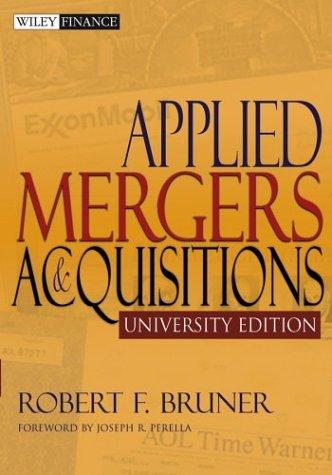
Applied Mergers and Acquisitions
Robert Bruner
The most comprehensive academic treatment of M&A mechanics available. Covers valuation, deal structure, due diligence, and integration from the perspective of both buyer and seller.
View on Amazon
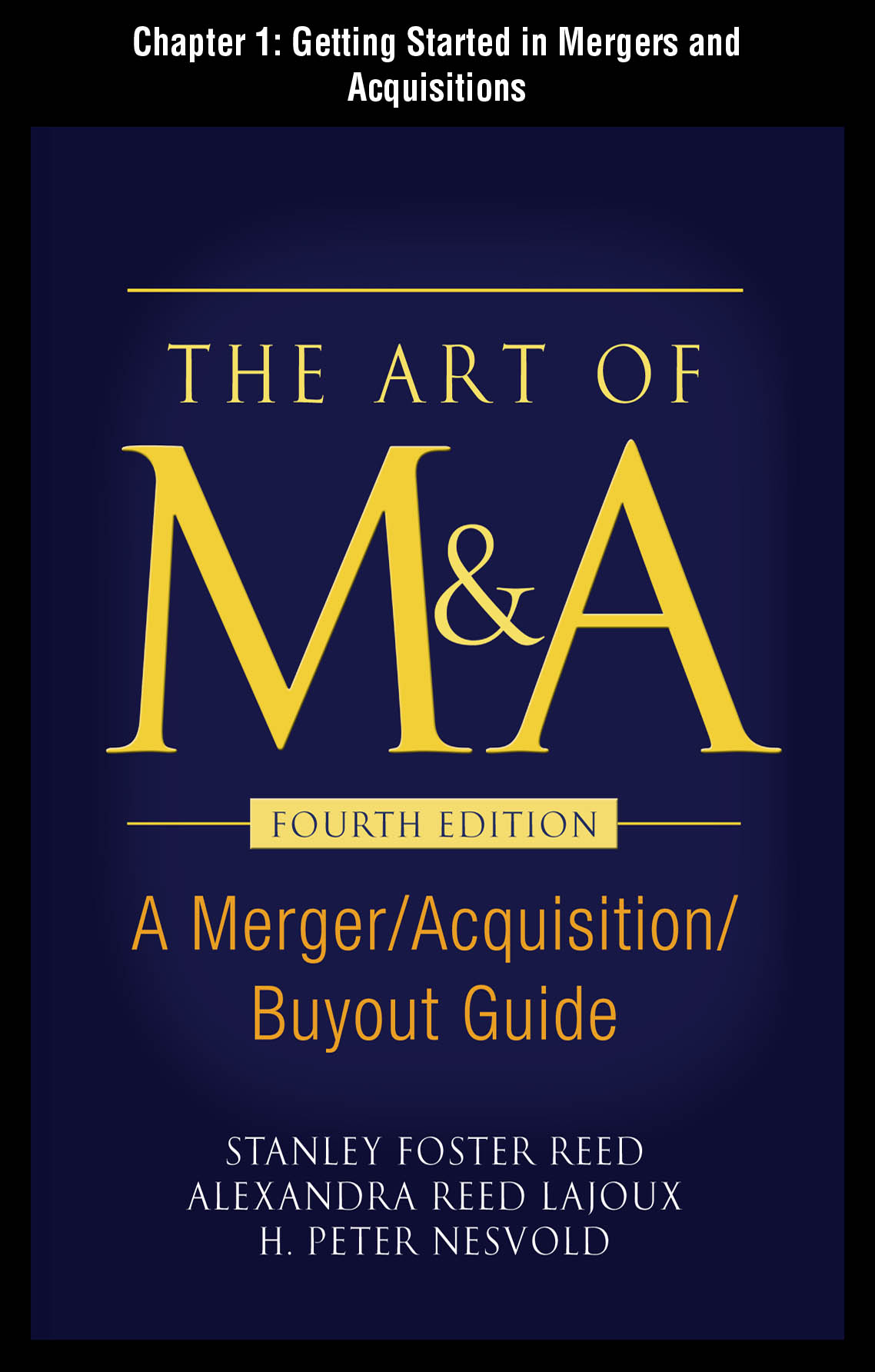
The Art of M&A
The Art of M&A
Stanley Foster Reed
A practitioner’s reference covering every phase of an acquisition — from initial strategy through post-merger integration. Particularly strong on legal structure and regulatory considerations.
View on Amazon
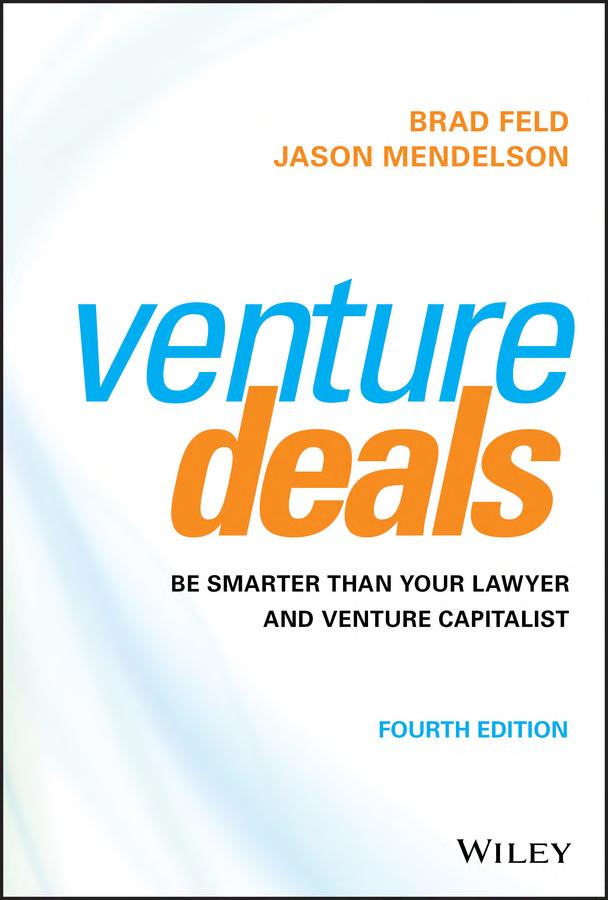
Venture Deals
Venture Deals
Brad Feld
The standard reference for venture capital term sheets. Explains the economics and control provisions of every major deal term from the perspective of someone who has negotiated thousands of them.
View on Amazon
Negotiation & Persuasion
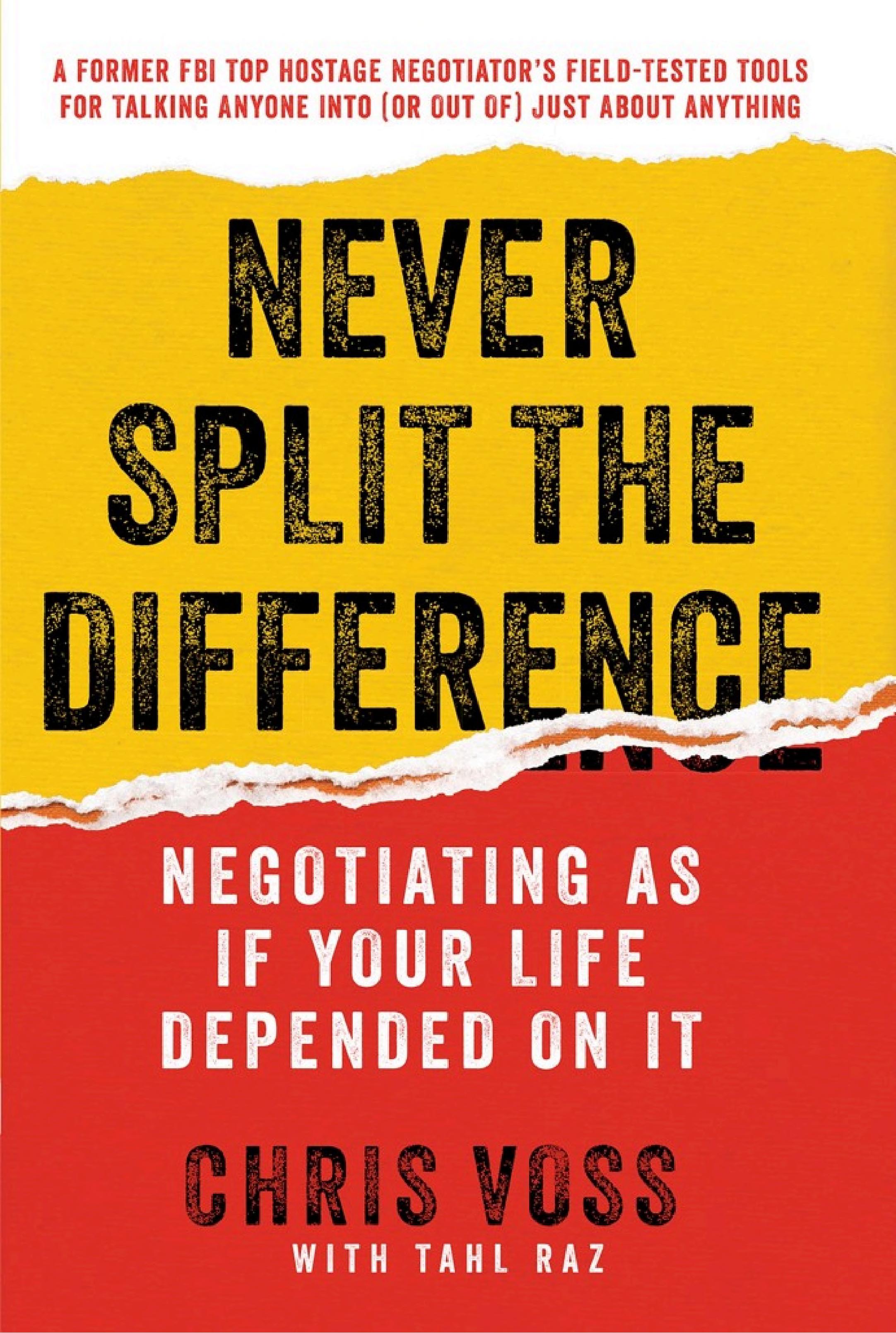
Never Split the Difference
Chris Voss
Tactical negotiation from a former FBI hostage negotiator. The techniques for calibrated questions, labeling, and tactical empathy translate directly to term sheet and boardroom negotiations.
View on Amazon
Start with No
Start with No
Jim Camp
A systematic rejection of compromise-based negotiation. Camp’s framework for decision-based negotiation gives founders a structural alternative to the concession trading that destroys value in venture deals.
View on Amazon
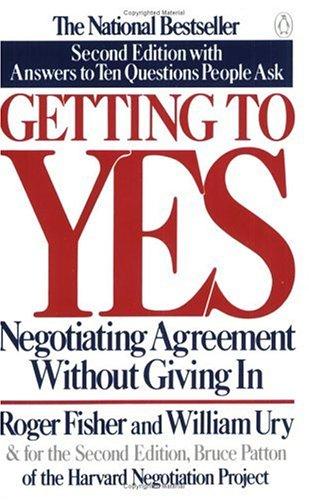
Getting to Yes
Getting to Yes
Roger Fisher
The foundational text on principled negotiation from the Harvard Negotiation Project. Essential framework for separating positions from interests — the prerequisite for every deal that creates rather than transfers value.
View on Amazon
Talking to Strangers
Malcolm Gladwell
An examination of why we systematically misjudge the people we don’t know. Directly relevant to investor meetings, board dynamics, and acquisition negotiations where misreading the counterparty is the default.
View on Amazon
The Liar in Your Life
Robert Feldman
Research-backed analysis of deception in everyday professional interactions. Understanding how and why people misrepresent is a structural advantage in due diligence, negotiation, and partnership evaluation.
View on Amazon
Situation Matters
Situation Matters
Sam Sommers
Social psychology research on how context shapes behavior and decision-making. Explains why the same person makes different choices in different environments — essential for understanding boardroom dynamics.
View on Amazon
Resilience & Team Dynamics
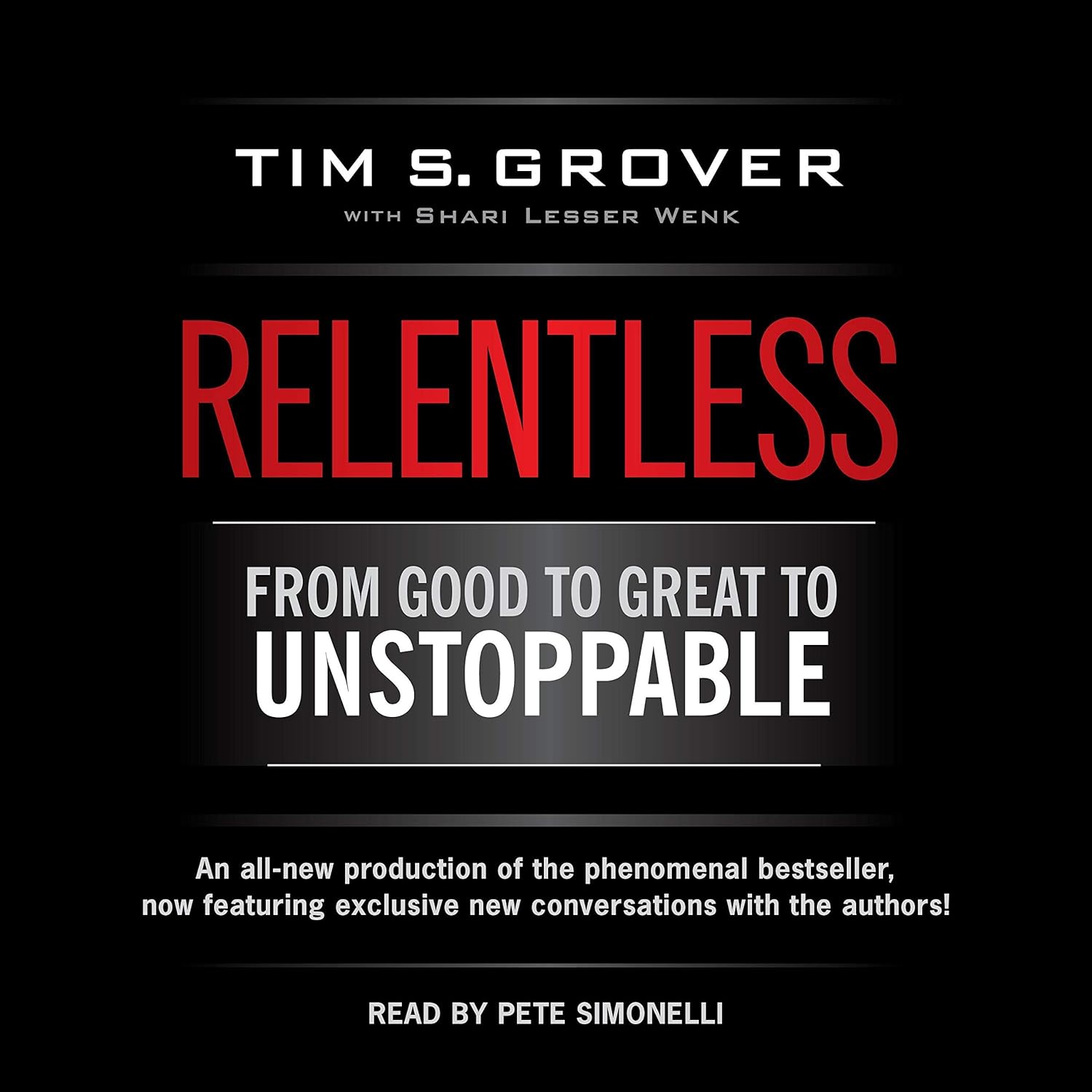
Relentless
Relentless
Tim Grover
The mindset framework from Michael Jordan and Kobe Bryant’s personal trainer. Grover’s distinction between coolers, closers, and cleaners maps directly to how founding teams perform under existential pressure.
View on Amazon
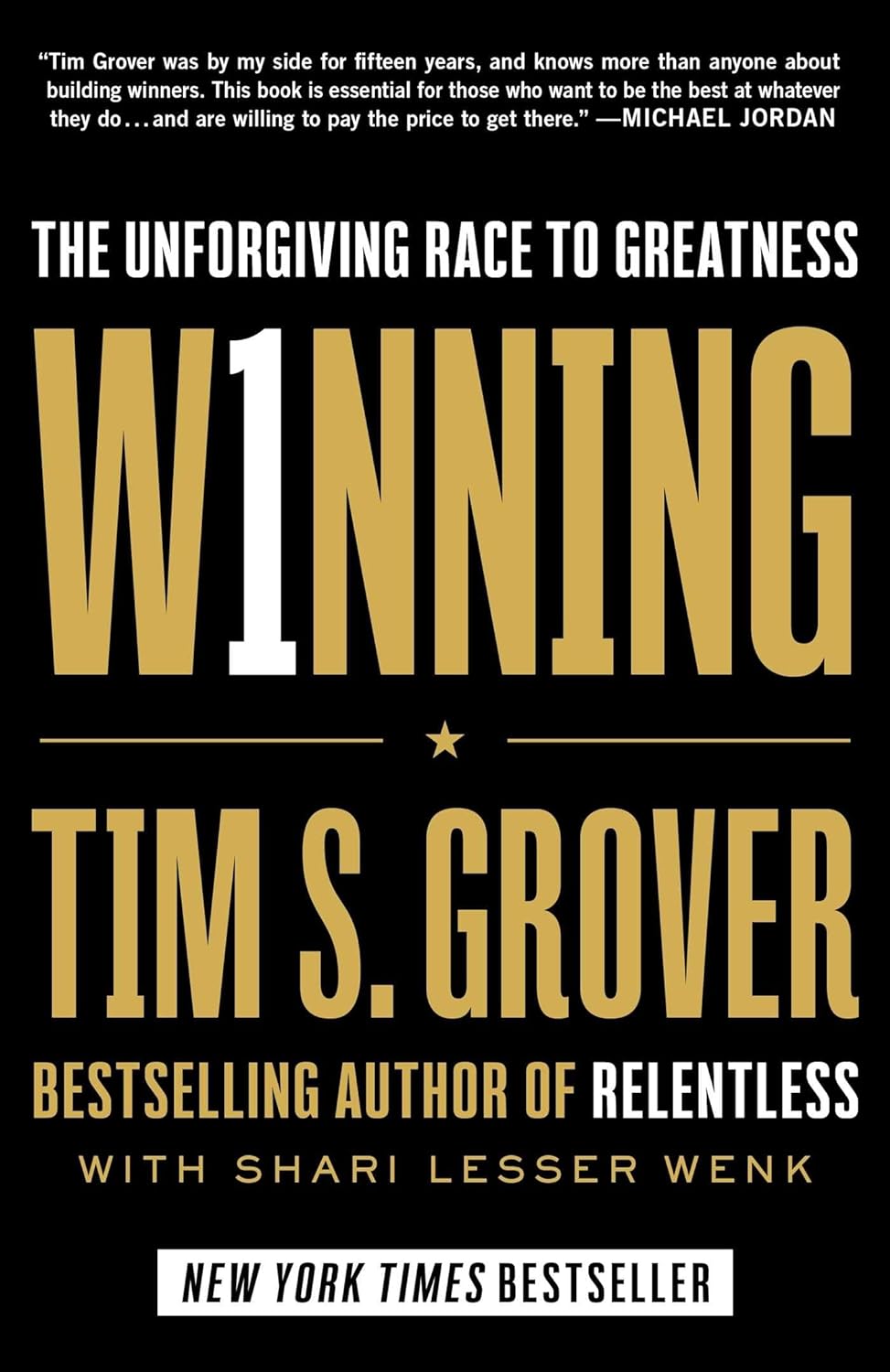
Winning
Winning
Tim Grover
Grover’s system for building the mental architecture of a winner. Draws on decades training the most competitive athletes in history to show founders what it actually takes to sustain performance when the stakes are existential.
View on Amazon
Unstoppable
Unstoppable
Tim Grover
The third installment in Grover’s performance trilogy. Focuses on the internal obstacles — doubt, hesitation, comfort — that prevent founders from operating at the level their companies require.
View on Amazon
Shackleton’s Way
Shackleton’s Way
Margot Morrell
Leadership lessons extracted from the Endurance expedition. Shackleton’s approach to team selection, morale management, and decision-making under uncertainty is the closest historical analog to early-stage company building.
View on Amazon
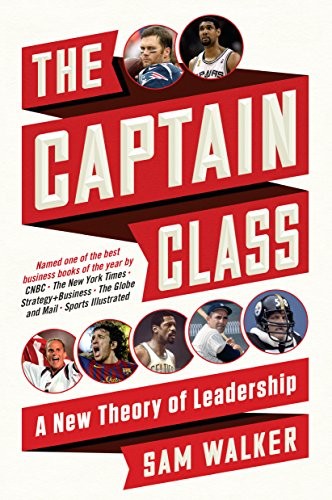
The Captain’s Class
The Captain’s Class
Sam Walker
An empirical study of the most dominant teams in sports history and what their captains had in common. The findings on quiet leadership, emotional regulation, and willingness to do unglamorous work apply directly to co-founder dynamics.
View on Amazon
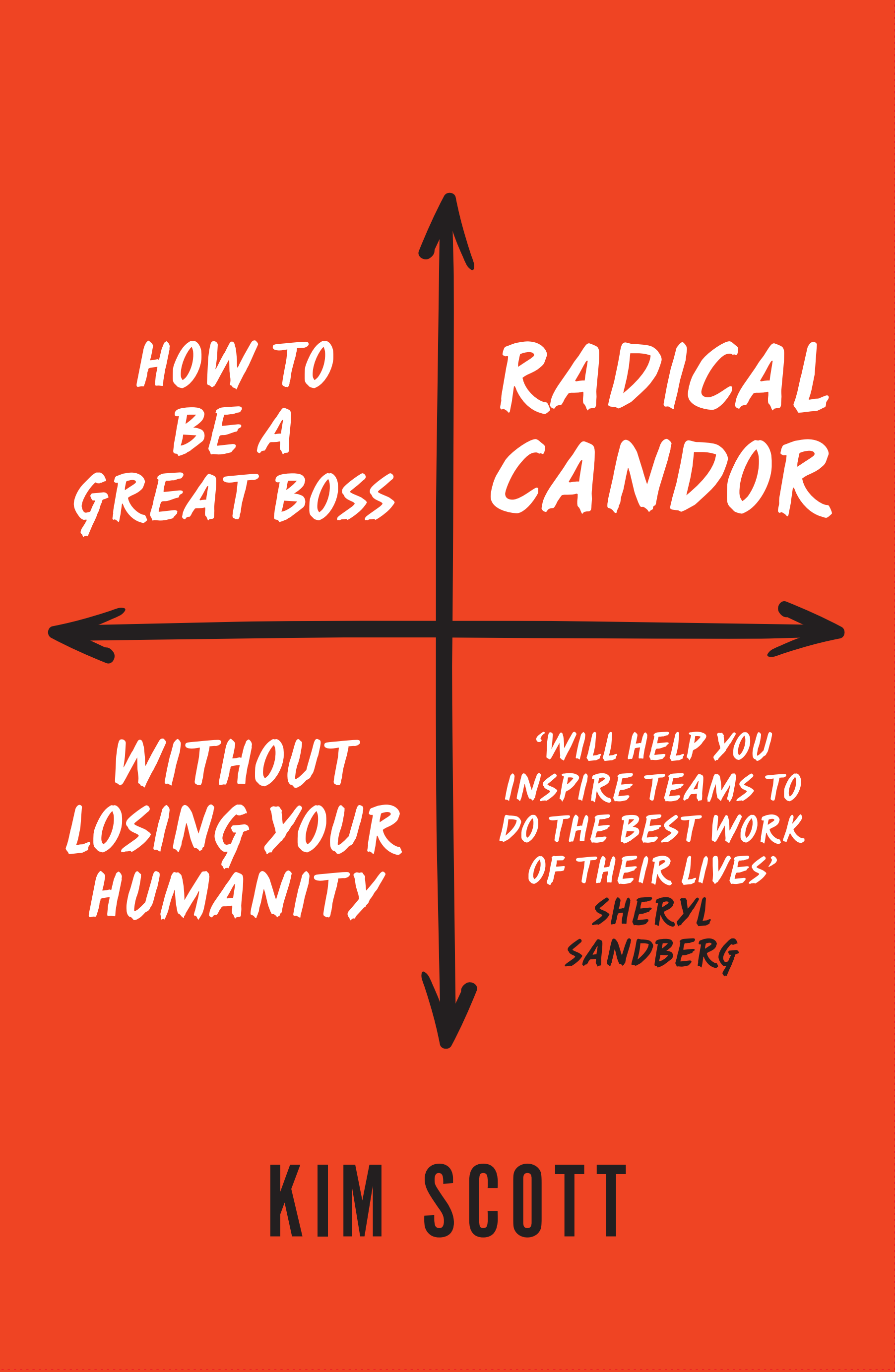
Radical Candor
Radical Candor
Kim Scott
A framework for giving and receiving direct feedback without destroying relationships. The care-personally-while-challenging-directly model is the most practical management system available for scaling teams.
View on Amazon
Grit
Grit
Angela Duckworth
Research on sustained effort and long-term persistence. Duckworth’s data on passion plus perseverance explains why some founders survive the seven-to-ten-year timelines that healthcare ventures require.
View on Amazon
Barking Up the Wrong Tree
Eric Barker
Evidence-based analysis of what actually drives success versus what conventional wisdom claims. Particularly valuable for founders questioning whether the standard startup playbook applies to their situation.
View on Amazon
Peak Performance
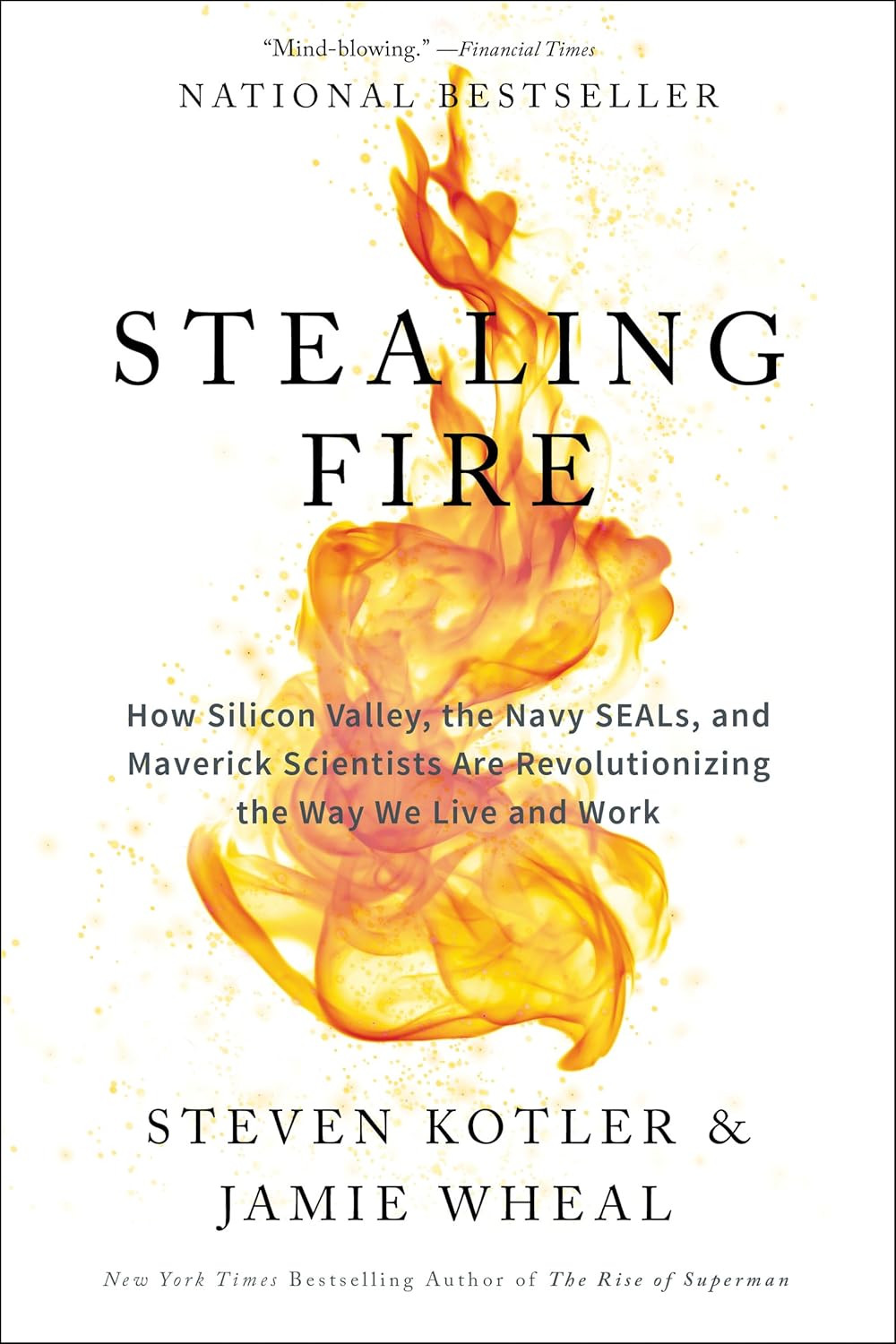
Stealing Fire
Stealing Fire
Steven Kotler
An investigation into how elite performers — from Navy SEALs to Silicon Valley executives — access altered states of consciousness to accelerate decision-making and creative problem-solving.
View on Amazon
The Rise of Superman
Steven Kotler
The science of flow states and how they produce exponential performance gains. Kotler’s research on triggering and sustaining flow is directly applicable to the deep-work demands of technical innovation.
View on Amazon
Leadership
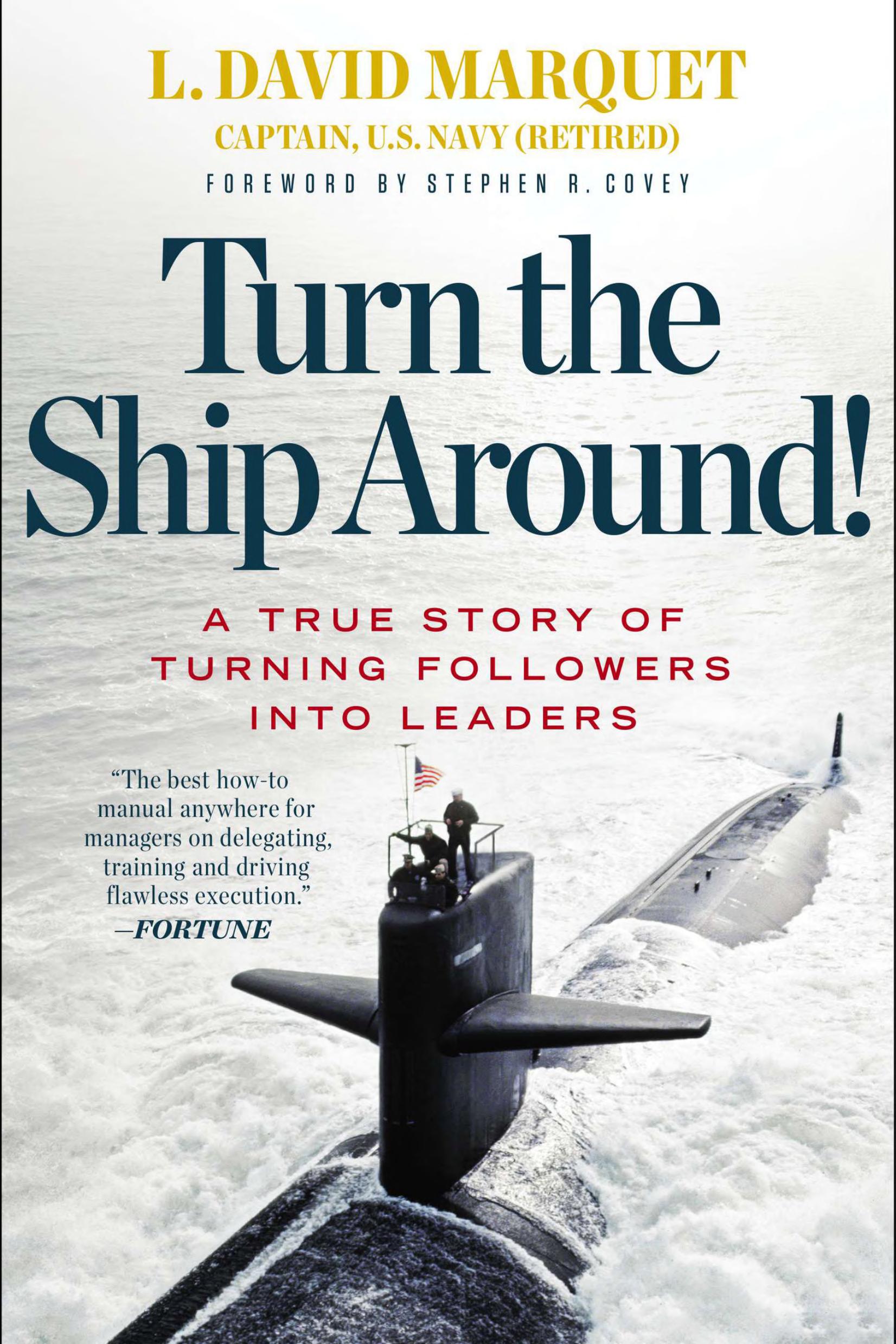
Turn the Ship Around!
L. David Marquet
How a submarine commander replaced command-and-control with intent-based leadership. Marquet’s leader-leader model is the most effective framework available for transitioning from founder-dependent to scalable organizations.
View on Amazon
The Five Dysfunctions of a Team
Patrick Lencioni
A diagnostic model for team failure: absence of trust, fear of conflict, lack of commitment, avoidance of accountability, and inattention to results. Every founding team exhibits at least two of these.
View on Amazon
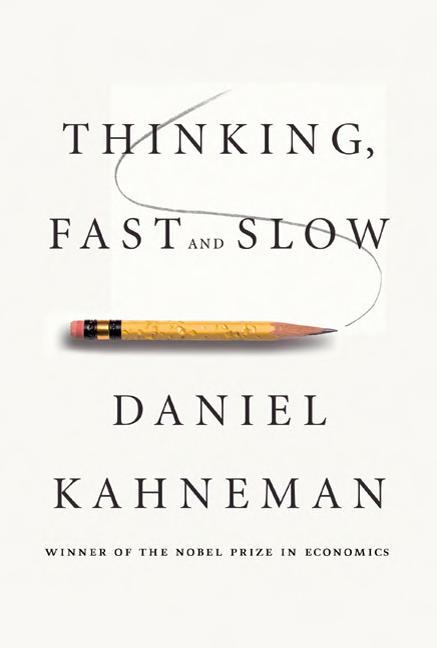
Thinking, Fast and Slow
Daniel Kahneman
The definitive work on cognitive bias and dual-process theory. Understanding System 1 and System 2 thinking is prerequisite knowledge for negotiation, board management, and every high-stakes decision founders face.
View on Amazon
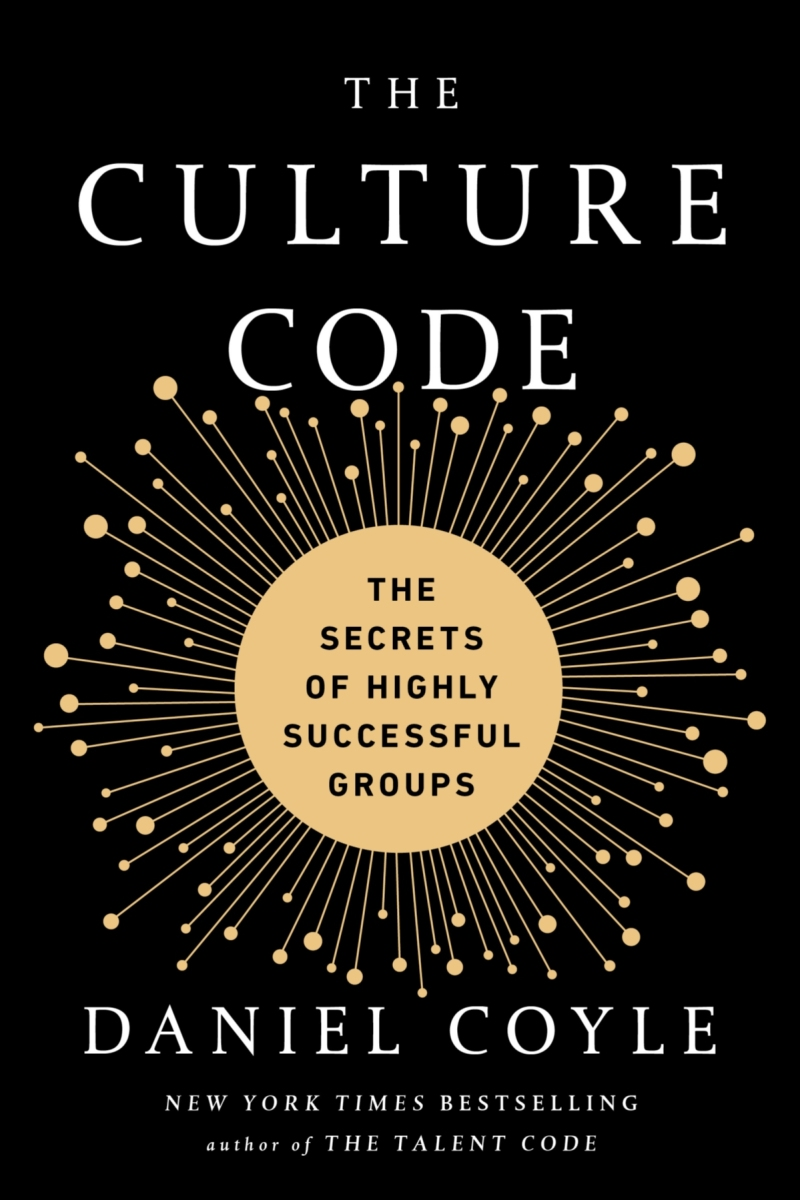
The Culture Code
The Culture Code
Daniel Coyle
Research-driven analysis of how high-performing groups build psychological safety, share vulnerability, and establish purpose. Directly applicable to building the kind of culture that survives scaling.
View on Amazon
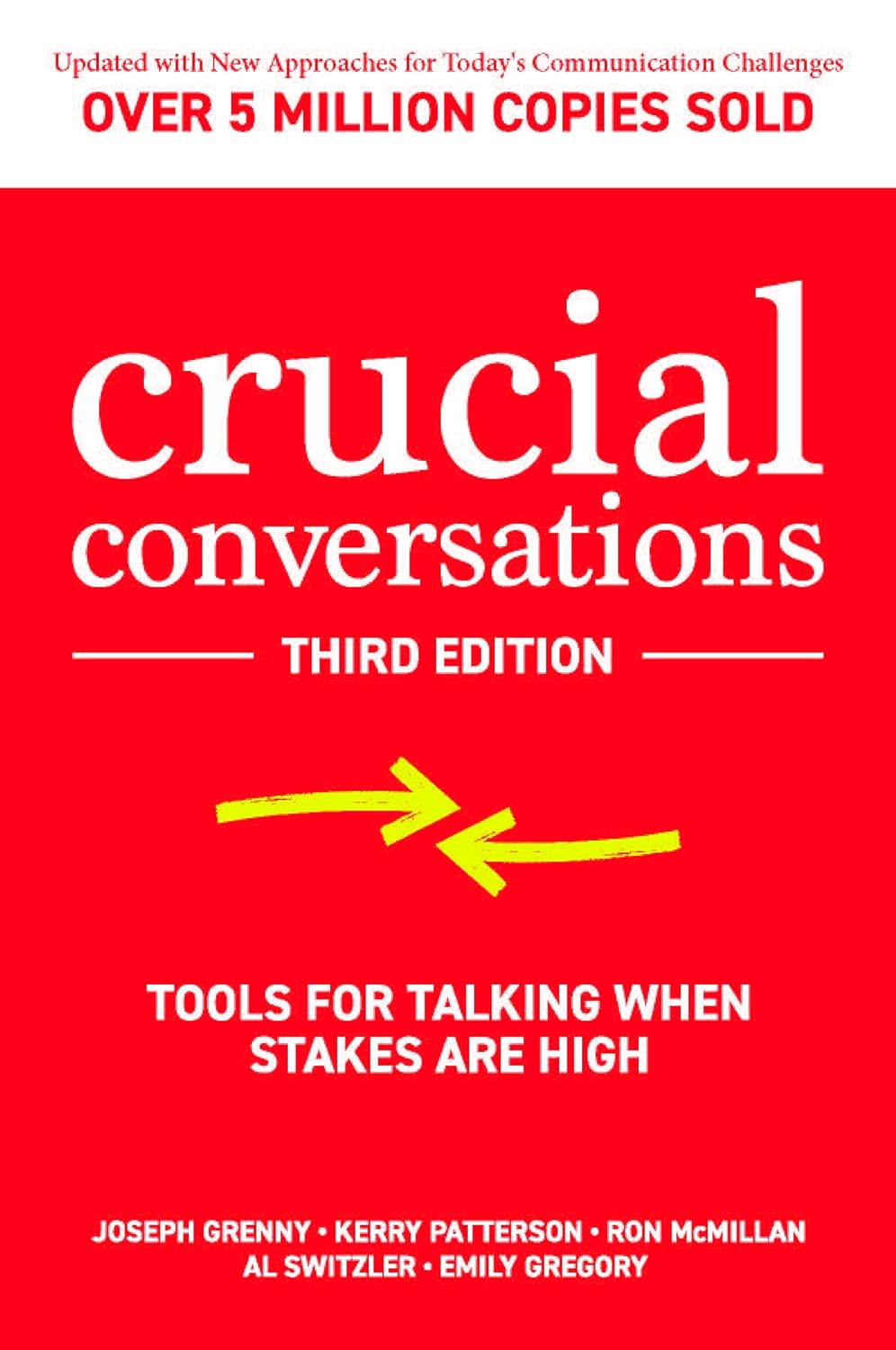
Crucial Conversations
Kerry Patterson
A tactical framework for navigating high-stakes discussions where opinions differ and emotions run strong. The tools for co-founder disputes, investor confrontations, and board-level conflicts.
View on Amazon
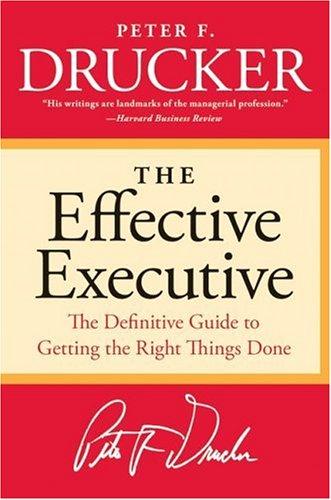
The Effective Executive
Peter Drucker
Drucker’s argument that effectiveness is a learnable discipline, not an innate talent. The chapters on time management, contribution focus, and decision-making remain the highest-leverage operating system for any founder-CEO.
View on Amazon
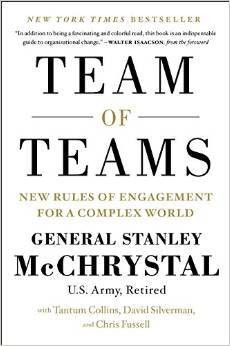
Team of Teams
Team of Teams
Stanley McChrystal
How the Joint Special Operations Command restructured from a hierarchy into an adaptive network to fight a decentralized enemy. The organizational model for companies that must move fast in complex, rapidly changing environments.
View on Amazon
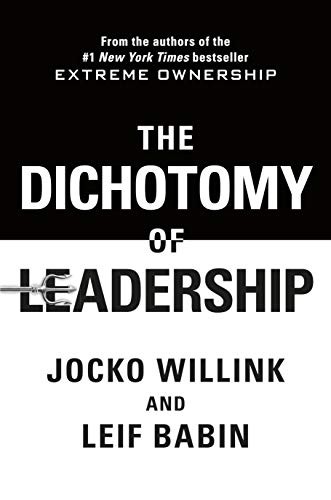
The Dichotomy of Leadership
Jocko Willink
The sequel to Extreme Ownership, focused on the balance points that leaders must hold: confident but not cocky, disciplined but not rigid, aggressive but not reckless. The nuance that the first book left out.
View on Amazon
Leaders Eat Last
Leaders Eat Last
Simon Sinek
An examination of why some teams trust each other and others don’t. Sinek’s research on the neurochemistry of trust and safety explains why certain leadership behaviors build loyalty and others destroy it.
View on Amazon
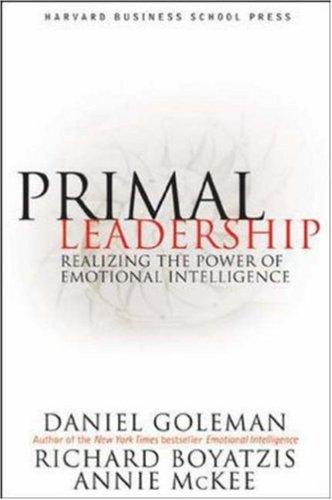
Primal Leadership
Primal Leadership
Daniel Goleman
The research linking emotional intelligence to leadership effectiveness. Goleman’s data on how a leader’s emotional state propagates through an organization is essential reading for anyone managing a team through uncertainty.
View on Amazon
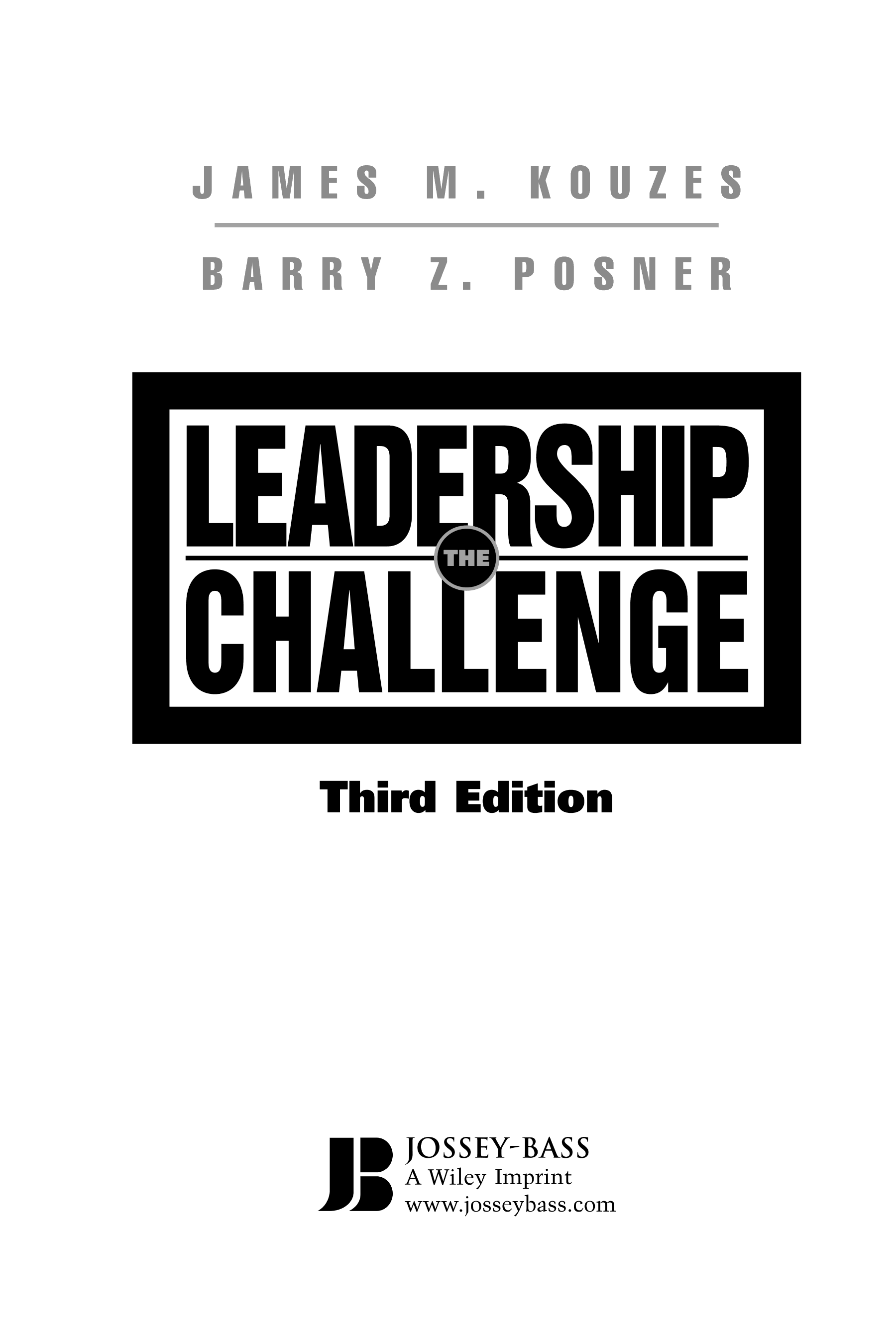
The Leadership Challenge
James Kouzes
Thirty years of empirical research distilled into five practices of exemplary leadership. The most evidence-based leadership model available, grounded in data from over four million leaders across industries.
View on Amazon
Innovation & the Inventor’s Mindset
Quirky
Quirky
Melissa Schilling
A study of serial breakthrough innovators — Einstein, Musk, Curie, Jobs, Franklin — and the cognitive and personality traits they share. The research on outsider perspective and self-efficacy maps directly to the healthcare inventor’s position.
View on Amazon
Marketing Strategy for Medical Devices
Hana Coufalová
One of the few texts that treats medical device commercialization as a strategic discipline rather than a regulatory compliance exercise. Covers market access, reimbursement strategy, and adoption dynamics specific to healthcare technology.
View on Amazon
Venture Capital & Entrepreneurial History
VC: An American History
Tom Nicholas
A Harvard Business School professor’s structural history of venture capital from whaling voyages through modern Silicon Valley. Understanding where the VC model came from explains why it operates the way it does — and where its incentives diverge from yours.
View on Amazon
Curriculum Source Material
Biodesign
Biodesign
Paul Yock
The Stanford Biodesign methodology for identifying, inventing, and implementing new medical technologies. The foundational text for structured healthcare innovation, covering needs finding through business planning.
View on Amazon
The Medical Device R&D Handbook
Theodore Kucklick
A practitioner’s guide to the full device development lifecycle — from concept through manufacturing. Covers prototyping, design controls, verification and validation, and the engineering milestones that drive capital requirements.
View on Amazon
Making Money out of Technology
Graham Artley
A pragmatic guide to technology commercialization focused on the financial architecture of turning inventions into businesses. Covers licensing versus equity strategies, valuation of early-stage IP, and deal structures for university spin-outs.
View on Amazon
Valuation & IP
Valuation and Pricing of Technology-Based Intellectual Property
Richard Razgaitis
The most rigorous treatment of IP valuation available. Covers risk-adjusted NPV, comparable transaction analysis, royalty rate determination, and the methods that acquirers and licensors actually use to price healthcare technology.
View on Amazon
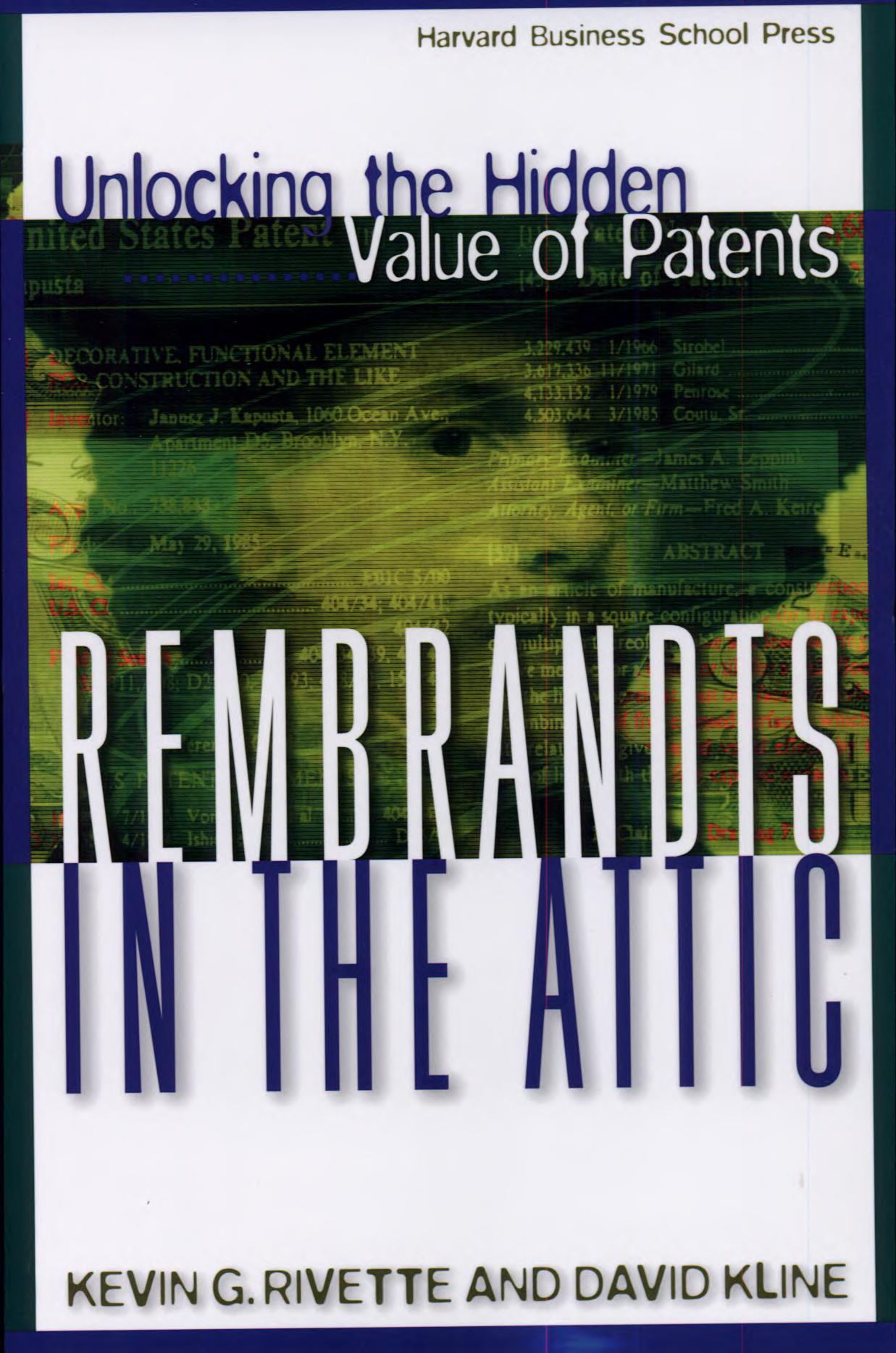
Rembrandts in the Attic
Kevin Rivette
How companies extract strategic value from patent portfolios. Rivette’s framework for treating IP as an offensive business asset rather than a defensive legal cost directly informs how founders should think about patent strategy.
View on Amazon

If this material changes how you see your next term sheet, board meeting, or exit

explore the full AEIOU Program

Contact Us
Next cohort begins soon
Next Cohort begins June 17, 2026